The Golden Boy's Shadow: What Oscar De La Hoya Teaches Us About Fathering Sons
By the age of 19, Oscar De La Hoya was an Olympic gold medalist in boxing, a multi-world title-winning professional boxer, a hometown hero, and a role model to his Mexican-American community in East Los Angeles. The two-part HBO documentary The Golden Boy — now streaming on Max — strips back that gilded image to reveal something far more universal: a son still searching, decades later, for his father's approval.
For fathers of boys — Oscar's story is less about boxing and more about the painful, multigenerational inheritance of emotional silence.
The Mask of Masculine Success
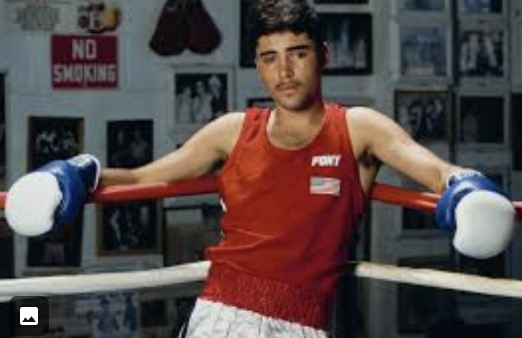
Oscar, on the surface, appears to have the ultimate success story. Raised in East Los Angeles by Mexican immigrant parents, he turned a tough childhood into sporting greatness. But as De La Hoya explains, he grew up in a community that valued strong machismo, heavy drinking, and maintaining discipline through violence. The physical punishment from both parents led to what De La Hoya calls psychological "disassociation" — a numbing to pain. H
e channelled a difficult childhood into sporting greatness.
Psychoanalytically, this is a textbook description of emotional detachment as a survival strategy — what we might recognise today as an early dissociative defence. The ring became not just a career but a container for feelings that had no other outlet.
The boxing ring, as García's (2013) paper on boxing and Latinidad notes, functioned as the site where Mexican-American masculine identity was performed, contested, and policed. The cultural pressure on Oscar was immense — be tough, don't show vulnerability, win.
Australian boys face a remarkably similar pressure. The cultural script may look different — backyard cricket instead of boxing — but the core message is often the same: toughen up, don't cry, earn your father's respect through performance.
The Father Who Never Said "I Love You"
Throughout his career, De La Hoya painted his father, Joel De La Hoya Sr., as a stern taskmaster who never told his son he loved him. In the documentary, Oscar watches footage of his father — on camera — effectively suggesting that Julio César Chávez would have beaten Oscar had they been the same age. "It's disappointing, but it's expected," Oscar says. "I didn't know that was his stance... That's who he is. I've accepted the fact that he's a tough man. But he's still my father."
That sentence — he's still my father — carries great significance. It reflects the conflicting attachment many sons feel towards emotionally distant fathers: a love that endures not despite the pain, but almost because of the longing for what was never given.
From a psychoanalytic perspective, this is the wound at the centre of Oscar's story. The British object relations theorist Donald Winnicott spoke of the child's need for the parent to act as a "mirror" — to reflect back the child's inner world with warmth and recognition. When that mirroring is withheld or conditional, children often spend their adult lives seeking it elsewhere: in crowds, in achievement, in the adulation of strangers.
De La Hoya says on more than one occasion that he was always more comfortable expressing his feelings to the media than to his loved ones. That is the legacy of a father who communicated through performance rather than presence.
Running from Himself
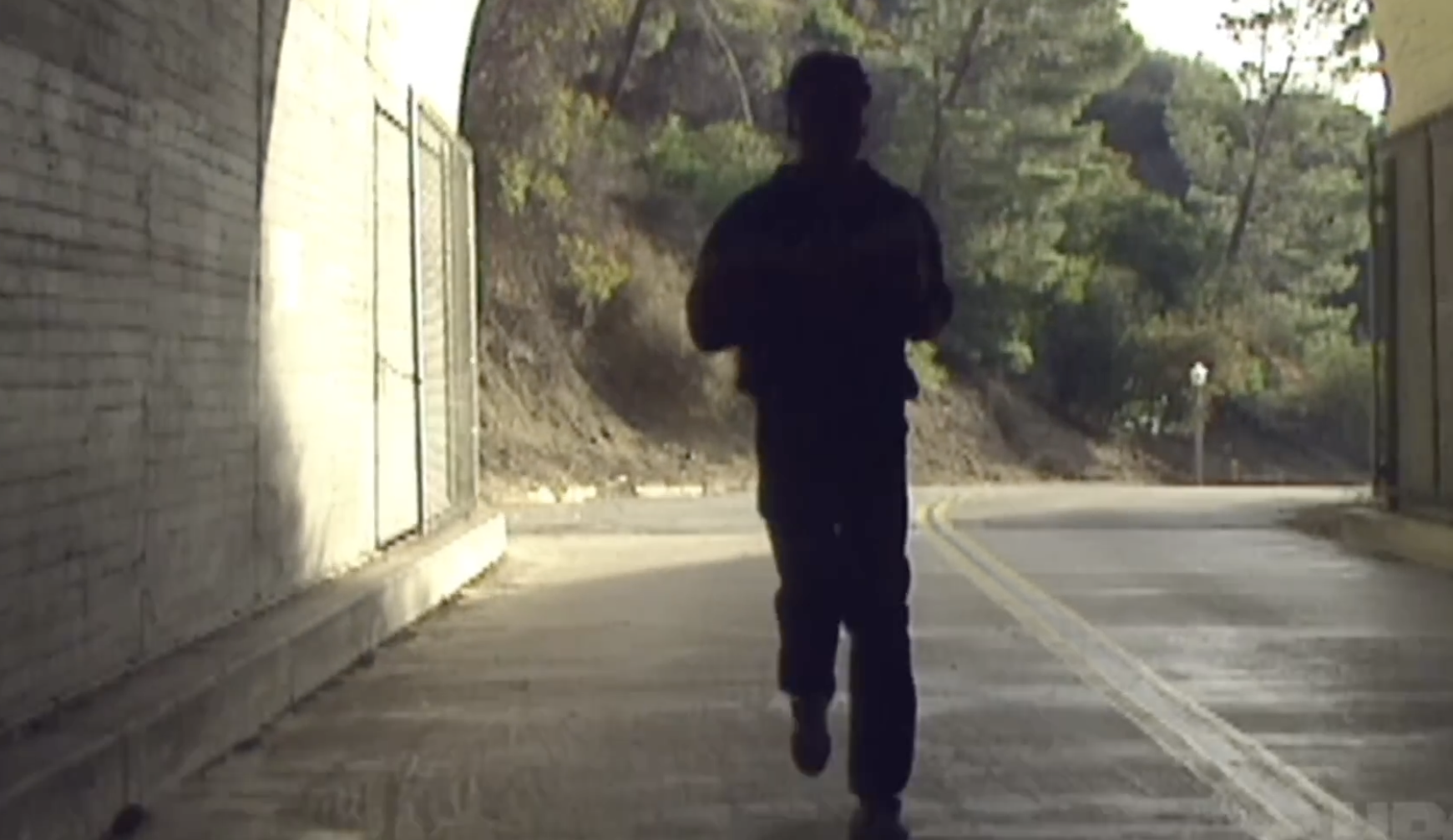
The image of Oscar running alone — training, always training — captures something profound. Physical discipline offered the illusion of control in a life where emotional intimacy felt dangerous. This is common in men raised in emotionally restrictive environments: the body becomes the only legitimate place to express feeling.
For Australian fathers, this is worth sitting with. How many of us teach our sons to train, compete, and perform — but not to feel, articulate, or ask for help?
Research consistently shows that boys whose fathers model emotional literacy — who can say "I was scared," "I was wrong," or "I love you" — grow into men who can sustain healthy relationships and recover from setbacks more effectively. Oscar had a father who showed up for boxing — but emotional presence was another matter entirely.
When Masculinity Becomes a Costume
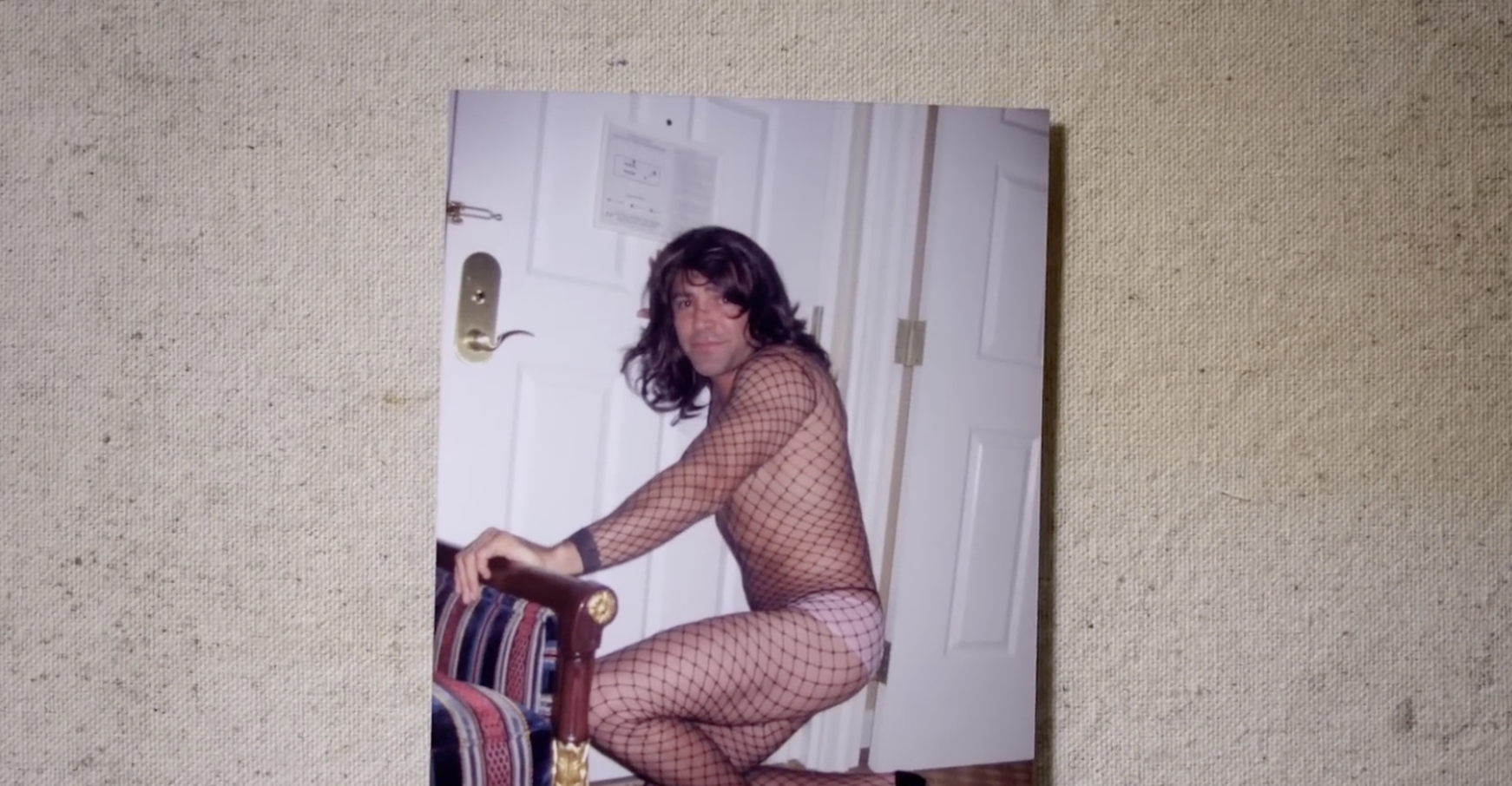
One of the most striking moments in the documentary is this photograph — Oscar in a long dark wig and fishnet bodysuit, taken privately. When it was leaked to the public in 2007, it sparked huge controversy. Within hyper-masculine boxing culture, it was seen as scandalous, even embarrassing.
But psychoanalytically, this image invites a more compassionate reading. Oscar's detractors fabricated similar images online to mock him — using perceived gender transgression as a weapon to question his ethnic authenticity and masculine credentials. The message was clear: real Mexican men don't dress like this.
What the documentary reveals, however, is a man who spent decades wearing one mask in public — the "Golden Boy" — while privately struggling with an identity he was never given permission to fully explore. When the only version of masculinity modelled to you is stoic, hard, and performance-based, the parts of yourself that don't fit that mould don't disappear. They go underground.
For parents of boys, this is a vital insight: the narrower the masculine script we hand our sons, the higher the cost of the parts that don't fit.
The Sons He Left Behind
According to the film, Oscar doesn't have much of a relationship with his six children, and he's portrayed as a man who spent too much time chasing women and trying to be a celebrity to care much for his children.
His son Devon's account is particularly striking. "He was like the guy on TV. The guy on my YouTube," Devon says. "He raised me through a screen, almost... Kids would say I'm just some rotten spoiled kid whose father is Oscar De La Hoya, and you have everything you want in this world. I had nothing."
Devon reached out to Oscar on Instagram at age 16. When they finally met, he was simultaneously desperate to embrace him and furious enough to want to punch him. That ambivalence — the push-pull of wanting a father who was never there — is one of the most painful emotional legacies a parent can leave.
Intergenerational transmission is real. Oscar inherited his father's emotional unavailability and, without realising or intervening, passed a version of it on. The documentary does not excuse him for this — nor should it.
"The Golden Boy — It's All Bullst**”
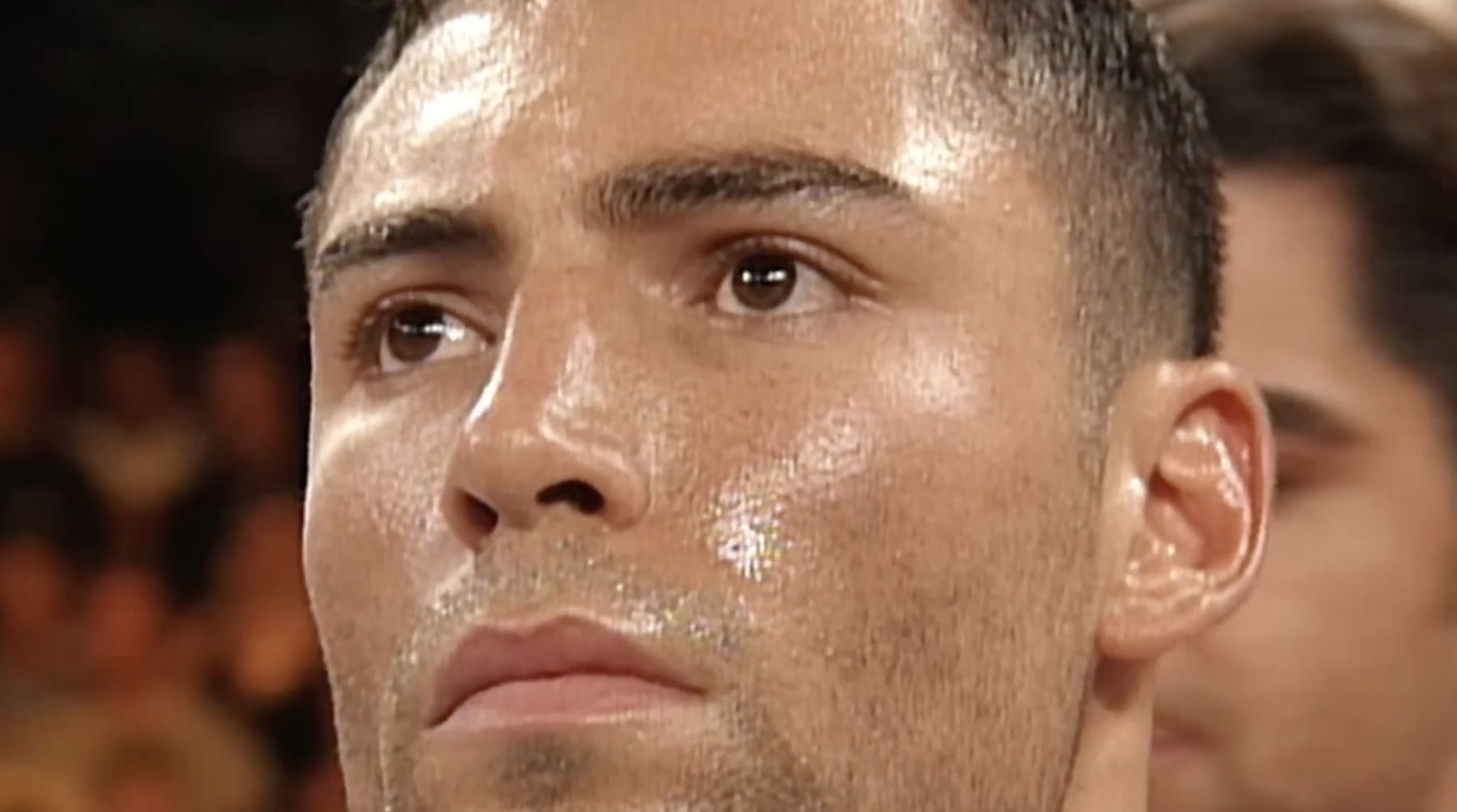
Near the end of the documentary, in a scene shot in black and white, De La Hoya looks directly into the camera and says: "The Golden Boy — it's all f*ing bullst. That's all it is."
This is the moment of genuine self-confrontation that the entire documentary has been building toward. The persona — constructed by promoters, media, cultural expectation, and his own survival instincts — finally cracks. What's left underneath is simply a man: flawed, still healing, trying to make sense of a father who was hard to reach and a self he never fully knew.
"I've faced the toughest individuals inside the ring throughout my whole life," De La Hoya says, "but to be honest, to literally expose my feelings and my emotions was petrifying."
For many Australian men of his generation — and for the fathers reading this — that sentence will hit home hard.
What This Means for Australian Dads
Oscar's story isn't just American, Latino, or about boxing. It shows patterns that happen in living rooms and backyards all over Australia every day. The cultural details change, but the main idea is clear: fathers who weren't taught to show love with words, instead showing it through providing and protecting — and sons who spend their lives trying to understand that silence.
Here are some reflections worth sitting with:
Tell your son you love him. Directly. Repeatedly. Not because he earns it, but because it is simply true. Research in developmental psychology is clear: boys who hear this regularly from their fathers are more resilient, less likely to engage in risk-taking behaviour, and better at forming secure adult relationships.
Let him see you struggle. When Oscar's father was physically present but emotionally sealed off, Oscar learned that difficulty was something to be endured alone and in silence. Letting your son see that you have hard days — and that you seek help, talk to others, and recover — gives him permission to do the same.
Separate performance from worth. Oscar won Olympic gold. He became a world champion. Yet, for much of his life, he still felt that his father didn't truly believe in him. Achievement cannot replace unconditional positive regard. Your son needs to see that you are proud of him, not just what he does.
Interrogate the masculine scripts you are passing on. What does your son learn from observing you about how men manage anger, sadness, vulnerability, and intimacy? García's research on Mexican-American masculinity illustrates how strongly cultural scripts about manhood are passed down — and how harmful it is when those scripts leave no space for tenderness, doubt, or softness.
The Takeaway
The Golden Boy seems like just a boxing documentary at first. But beneath that, it's a look at what happens when the emotional bond between fathers and sons is shaped completely by performance, expectations, and cultural scripts — and the toll it takes over a lifetime.
Oscar De La Hoya is still working it out at 50. That is neither a failure nor a surprise. Healing the father wound — or preventing it from forming in the first place — takes courage, self-awareness, and often, professional support.
The ring he is fighting in now is different. And this time, the opponent is himself.
The Golden Boy is currently streaming on Max (HBO). The academic paper referenced throughout is: García, J.D. (2013). "Boxing, Masculinity, and Latinidad: Oscar De La Hoya, Fernando Vargas, and Raza Representations." The Journal of American Culture, 36(4), 323–341.